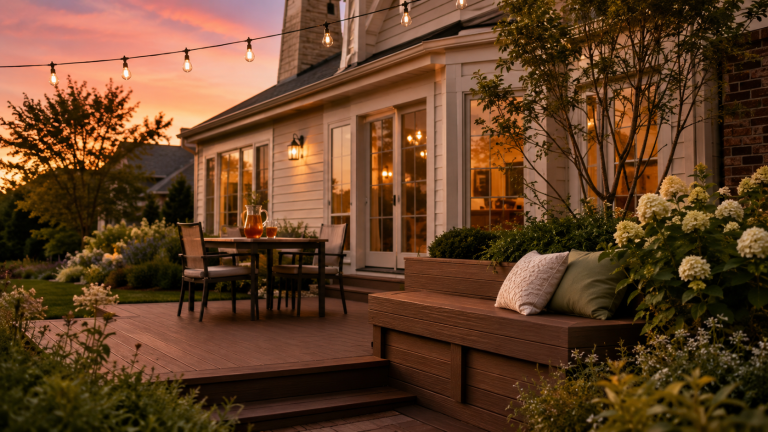
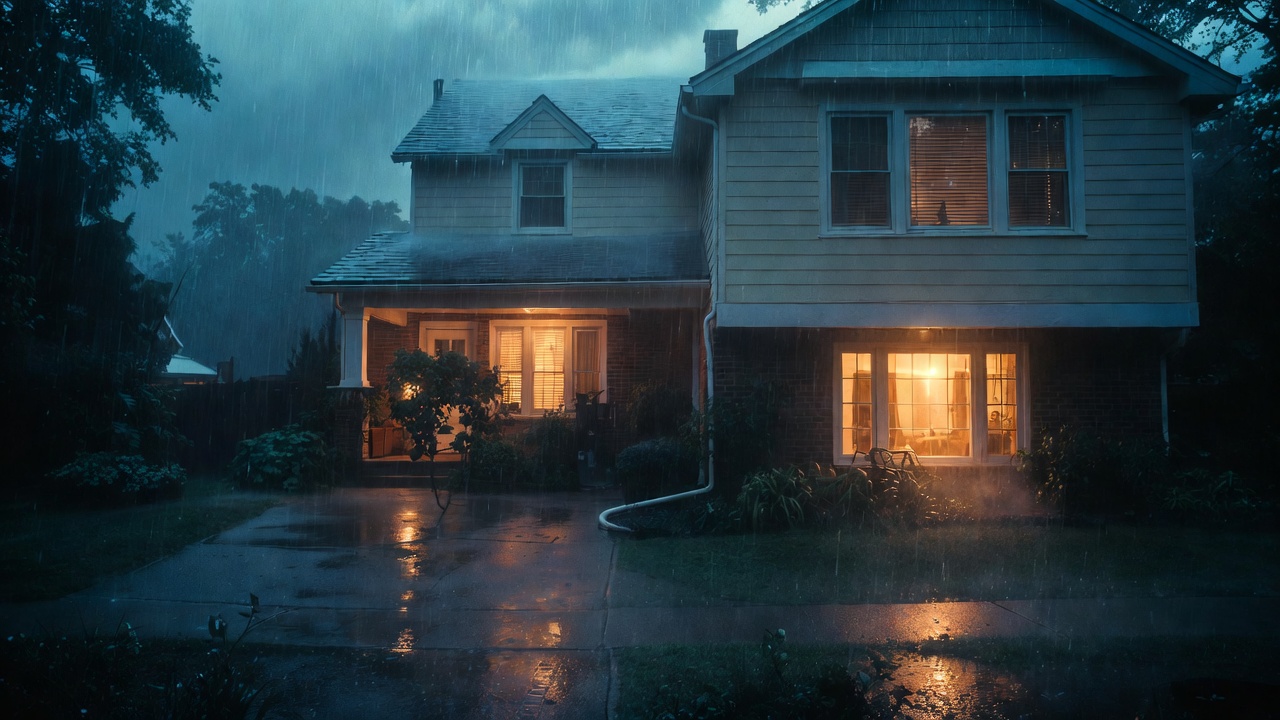
Every basement in the Chicago suburbs has two possible futures. In one, a July storm rolls through Bartlett or Wheaton at 2 a.m., the power blinks, the sump pump stops, and by morning you’re pulling soaked drywall and ruined boxes out of six inches of standing water. In the other, that same basement is your family’s favorite room, dry, warm, and quietly adding tens of thousands of dollars to the value of your home.
The difference between those two futures isn’t luck. It’s whether your waterproofing system is designed for the storms Chicago is actually getting in 2026, and whether the space above it was built to last.
Here’s what every homeowner in DuPage County should understand before the next storm hits.
Why Chicago Basements Flood (and Why 2026 Is Worse)
A few facts most homeowners don’t know:
- Chicago’s combined sewer system, which carries both sanitary waste and stormwater in the same pipes, was designed to handle roughly 2 inches of rain in 24 hours. Today’s severe storms regularly drop 5, 6, or over 8 inches in that window.
- The likelihood of heavy rainstorms in Chicago has increased sevenfold over the past century, according to University of Illinois researchers, and their 2025 “Bulletin 76” memo warned that intense rain is going to get significantly more severe over the next 25 years.
- One 2023 storm system flooded at least 70,000 basements across Chicago’s West Side and suburbs in a single night.
- Roughly 42% of Cook County is now covered in impervious surface, meaning rainwater has almost nowhere to go except into the sewers, and from there into basements.
- Standard homeowner’s insurance policies almost never cover flood damage. The average out-of-pocket cost of a serious basement flood runs from $10,000 to $40,000, and that’s before mold remediation.
The math is uncomfortable. Chicago is getting more rain, faster, into a sewer system that was maxed out decades ago, and homeowners are the ones absorbing the damage.
The Layered Defense: What Real Waterproofing Looks Like in 2026
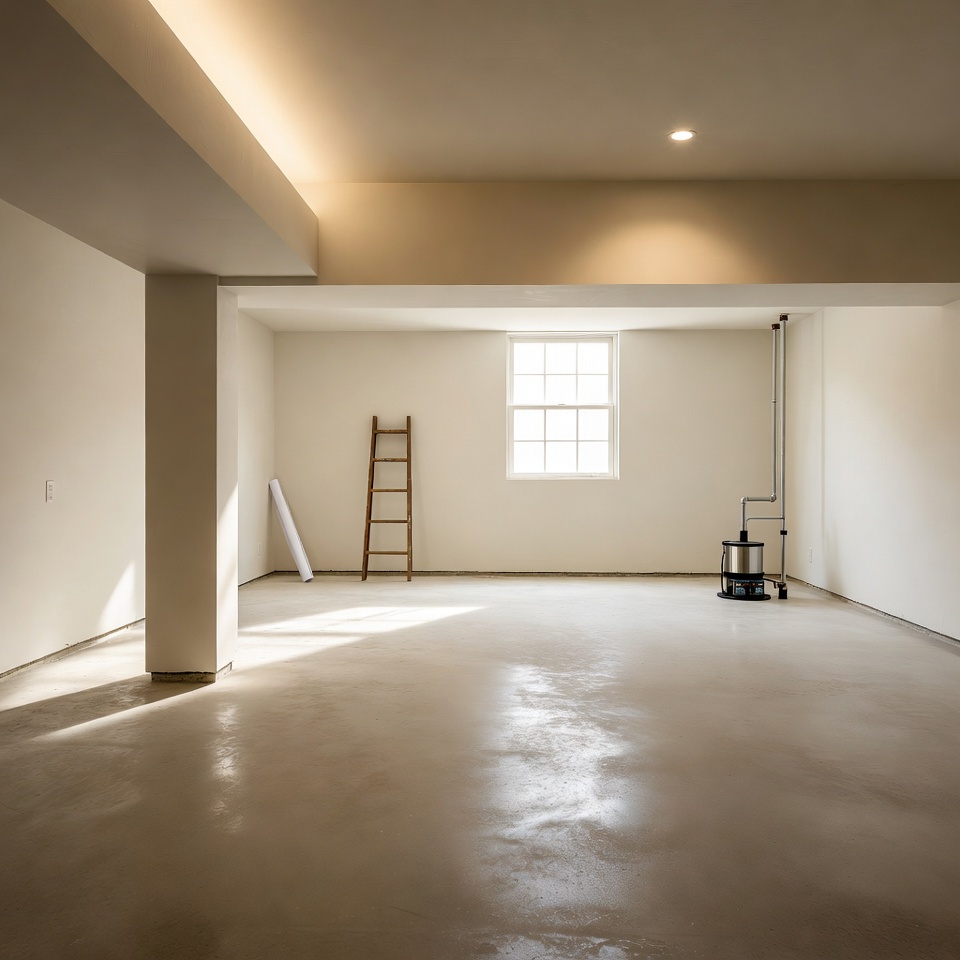
The single biggest mistake we see: homeowners believing that a sump pump alone is enough protection. It’s not. A modern waterproofing system for a Chicago-area basement has four layers, and each one solves a different problem.
Layer 1: A properly sized primary sump pump. Most sump pumps last 7 to 10 years, and most homeowners have no idea how old theirs is. Have it inspected annually (roughly $150 to $250) and replaced before it fails, not after.
Layer 2: Battery backup, or a water-powered backup pump. This is the layer most homes are missing, and the one that matters most. The same storms that produce the most water are the ones most likely to knock out power. A primary pump without a backup is a primary pump waiting to fail during the exact storm it needs to survive.
Layer 3: A backwater valve. This is what stops city sewer backups from pushing raw sewage up through your floor drain during a heavy storm. Sump pumps don’t do this. Only a backwater valve does. In Chicago’s combined sewer neighborhoods, this is not optional.
Layer 4: Foundation waterproofing, drainage, and grading. Interior French drains, exterior waterproofing membrane, extended downspouts, and proper grading around the foundation. This is the layer that stops water from ever reaching the pump in the first place.
Typical 2026 investment for a full system in the DuPage County market runs roughly $8,000 to $18,000 depending on the home’s age, foundation type, and existing drainage. Overhead sewer conversion, the highest level of protection, can add $15,000 to $25,000 but effectively eliminates sewer backflow risk permanently.
Compare that to the average cost of a single serious flood, and the math answers itself.
The Opportunity: What a Dry Basement Is Actually Worth

Here’s the part most waterproofing companies don’t tell you. Once your basement is genuinely, permanently dry, it’s not just protected space. It’s the cheapest square footage you’ll ever add to your home.
The 2026 numbers, honestly stated:
- A quality finished basement returns roughly 70 to 75% of its cost at resale, per the 2025 Cost vs. Value Report and multiple 2026 industry analyses. That’s higher than most people expect.
- A finished 1,000-square-foot basement can add $35,000 to $75,000 in home value, depending on finish level and neighborhood.
- Typical DuPage County basement finishing costs in 2026: basic $32 to $45 per sq ft, mid-range $50 to $80 per sq ft, high-end $85 to $130+ per sq ft.
But the highest-leverage move is smaller and cheaper than most homeowners realize: adding a legal conforming bedroom. With a proper egress window ($2,500 to $5,000) and a small basement bathroom ($8,000 to $20,000), a “3-bed, 2-bath” home becomes a “4-bed, 3-bath” home, and that can push it into an entirely different price bracket. It’s often the single best ROI decision in the entire project.
Other high-value uses we’re building for DuPage County homeowners in 2026:
- In-law suites and ADU-style layouts. With Illinois’s evolving accessory dwelling unit rules and rising demand for multigenerational living, a basement with a separate entrance is one of the most valuable features you can add.
- Home office and hybrid workspace. With hybrid schedules now the norm, a dedicated quiet workspace with proper lighting and sound isolation is a permanent value driver, not a pandemic-era trend.
- Rec room + wet bar combos. Still the highest “Joy Score” use of a basement, and easy to design so it converts back to a formal family room for resale.
The finishes that make a basement not feel like a basement: luxury vinyl plank flooring (100% waterproof, the gold standard for below-grade in 2026), warm LED recessed lighting on dimmers, egress or garden-level windows for natural light, and light neutral paint. Skip the dark wood paneling. Skip the drop ceiling.
What Not to Do
A few honest cautions we give every basement client:
- Don’t finish a basement that isn’t waterproofed first. Every dollar of drywall, flooring, and cabinetry sitting on a wet slab is a dollar you’ll pay twice. Waterproof first. Always.
- Don’t skip permits. Unpermitted basement bedrooms don’t count at appraisal, don’t count on the MLS, and become a problem at closing.
- Don’t DIY the sump pump. A pump wired incorrectly, or with a discharge line running back toward the foundation, is worse than no pump at all.
- Don’t over-personalize. Themed basements (home theaters, custom bars, gaming rooms) look great in photos and often reduce resale value. Design flexibly.
- Don’t chase the cheapest bid. Basement work is where inexperienced contractors cut the most corners, and the corners they cut show up as mold in three years.
Yellow Hat Does Both
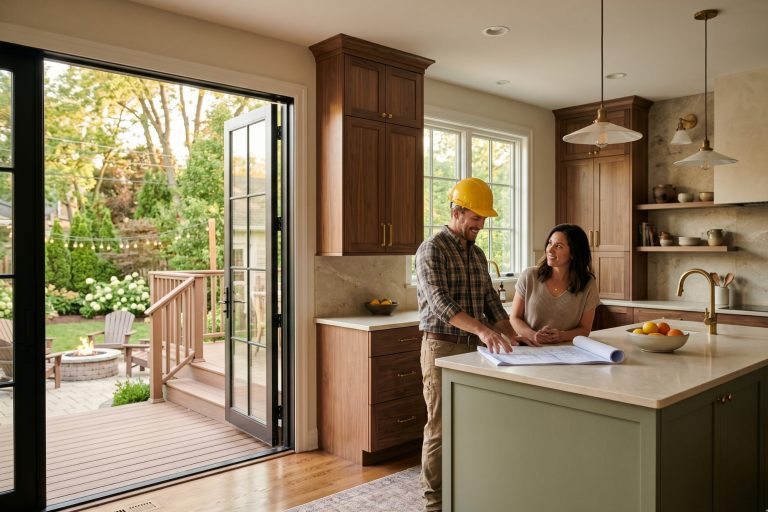
Most companies do one side or the other. We do both, and that’s why our basement clients across Bartlett, Wayne, St. Charles, and DuPage County trust us with the whole project.
We start with a real waterproofing assessment: sump pump condition, backup system, sewer line risk, foundation cracks, grading, and drainage. If your basement isn’t dry, we make it dry, permanently. Then, when you’re ready, we design and build the space above it, with the finishes, layout, and legal specs that turn it into your home’s most valuable room.
One team. One point of contact. One warranty covering the whole system, from the drain tile to the trim.
👉 Book your free basement assessment with Yellow Hat Remodeling. Whether you’re worried about the next storm, dreaming about the next family room, or both, let’s get you on the calendar before summer storm season peaks.