
Choosing the right color combination for floors and walls can completely transform the appearance of your home. In a vibrant and diverse state like Illinois, where urban style meets traditional elegance, the possibilities are endless. Here are some smart ideas for combining floor and wall colors to create harmonious and personality-filled spaces.
Sophisticated Neutrals

Walls: Shades of gray, beige, or off-white.
Floors: Light wood, natural stone tiles, or gray-toned laminate.
Neutral colors never go out of style and provide a versatile base for any decor. Walls in neutral tones combined with light wood floors or tiles in similar shades create an elegant and serene atmosphere. This combination is ideal for living rooms and bedrooms where a relaxing and cozy space is desired.
Dramatic Contrast
Walls: Navy blue, dark green, or charcoal gray.
Floors: Dark wood, polished concrete, or black tiles.
For a modern and bold look, opt for a dramatic contrast between walls and floors. Deep-colored walls like navy blue or dark green combined with dark-toned floors create a sophisticated and contemporary environment. This combination is perfect for home offices or entertainment spaces where you want a touch of drama and style.

Earthy and Natural Tones

Walls: Earth tones like terracotta, ochre, or olive green.
Floors: Rustic wood, bamboo, or warm-toned ceramic tiles.
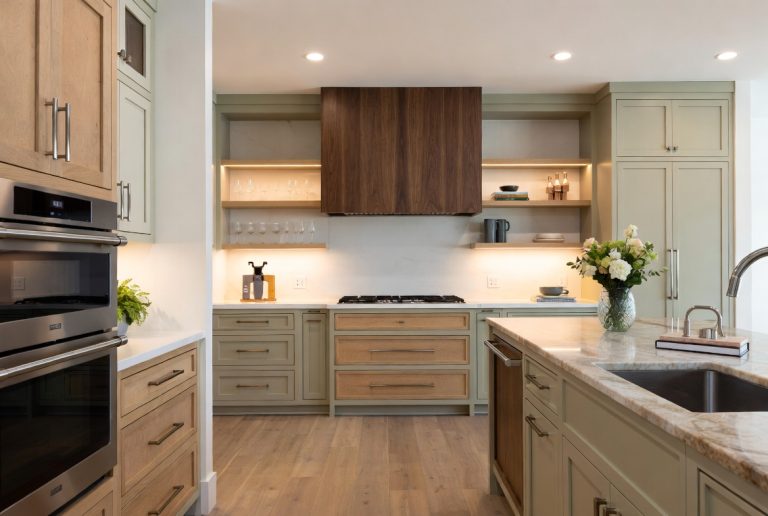
Earth tones bring warmth and a connection to nature. They pair perfectly with rustic wood floors or natural materials like bamboo. This combination is excellent for kitchens and dining rooms, creating a cozy and lively atmosphere.
Minimalist Style
Walls: Pure white or very light pastels.
Floors: Polished concrete, light wood, or neutral-toned laminate.
Minimalism is based on simplicity and functionality. White or pastel walls combined with polished concrete or light wood floors create a clean and uncluttered space. This combination is ideal for small spaces like apartments or studios where maximizing light and space is essential.
Vibrant Colors
Walls: Bright yellow, turquoise, or coral.
Floors: Light wood, white tiles, or neutral-toned vinyl floors.

For the more daring, vibrant colors can transform a common space into a place full of energy and personality. Brightly colored walls combined with neutral floors allow the color to stand out without overwhelming the space. This combination is perfect for children’s rooms, playrooms, or any area where you want a touch of fun and dynamism.
Classic Elegance
Walls: Soft beige, cream, or light blue.
Floors: Dark wood, parquet, or marble tiles.
For a more traditional and timeless style, opt for classic and elegant colors. Soft-toned walls combined with dark wood or marble floors create a refined and sophisticated atmosphere. This combination is ideal for formal dining rooms, libraries, or living rooms.
Tips for a Successful Combination

1. Consider Natural Light: The amount of natural light a room receives can affect how colors look. Rooms with plenty of light can handle darker colors, while rooms with less light benefit from lighter tones.
2. Think About the Use of Space: Colors can influence the atmosphere and functionality of a room. Relaxing tones are ideal for bedrooms, while vibrant colors may be more appropriate for activity areas.
3. Create Flow: If you are remodeling several rooms, consider a color palette that flows harmoniously from one space to another. This creates a sense of cohesion throughout the house.
4. Test Before Deciding: It’s always a good idea to test paint samples and flooring materials in your home before making a final decision. Light and other factors can make colors look different in your space.
The right combination of colors for floors and walls can dramatically change the look and feel of your home. Whether you prefer sophisticated neutrals, dramatic contrasts, or vibrant colors, there is a perfect combination for every style and need. If you’re in, Illinois, and looking to transform your space, contact us today for professional advice and make your home truly unique and special.