Summer is the season most homeowners finally pull the trigger on the project they’ve been putting off, the kitchen they’ve outgrown, the bathroom that’s tired, the deck that’s been on the list for three years. Long days, school’s out, and there’s a clear deadline: have it done before fall entertaining starts.
But here’s the truth nobody puts in the marketing brochures: a summer remodel goes one of two ways. It either ends with you sitting on a new deck with a cold drink by Labor Day, or it ends with drywall dust still in your hair at Thanksgiving. The difference isn’t luck. It’s planning, done before you ever sign a contract.
This is the playbook we’d give a friend in Bartlett, Wayne, St. Charles, or anywhere across DuPage County who asked us how to do it right in 2026.
Why Summer Is Genuinely the Best Time to Remodel (and Why That Matters More in 2026)
Summer’s advantages are real, and they stack:
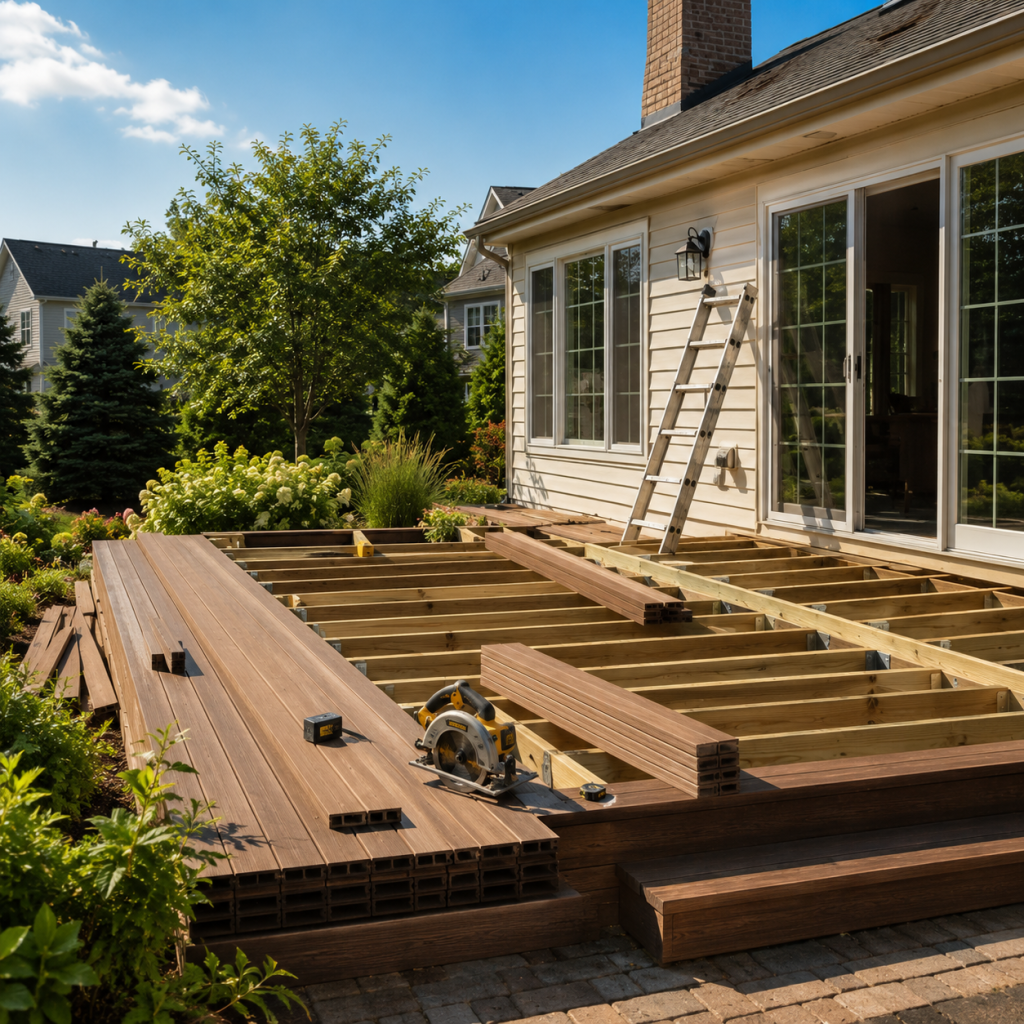
Weather is on your side. Exterior work, including decks, roofing, siding, and windows, runs faster and cleaner without freeze-thaw delays. In Illinois, the meaningful construction window is roughly April through November, and the middle months are when crews are most productive.
Kids are out of school. Easier mornings, fewer disruptions to homework and bedtime routines, and the option to take a short trip during the messiest demolition week.
Longer daylight means longer workdays. Most crews can put in 10 to 11 productive hours in June and July compared to 7 to 8 in November. That alone can shave a week off most projects.
You enjoy the result during the season it was built for. A deck finished in November is a deck you stare at through a window. A deck finished in July is a deck you actually use.
The 2026 wrinkle: skilled labor is genuinely scarce this year. The construction industry needs roughly 499,000 additional workers nationally, and 94% of contractors report difficulty filling open positions. In Chicago specifically, labor costs are pushing near double-digit increases. The crews you want for a summer 2026 remodel are being booked weeks, sometimes months, in advance. “Schedule fills up” used to be a sales line. In 2026, it’s just true.
How to Choose the Right Project
Not every remodel is the right remodel. Before you fall in love with a Pinterest board, ask yourself one question: am I doing this for how I live, or for resale? The answer changes everything downstream.
The 2026 ROI snapshot, honestly stated:
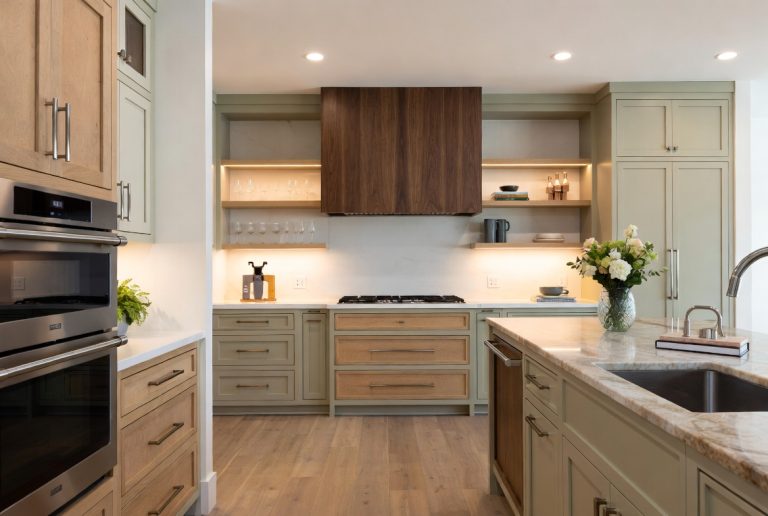
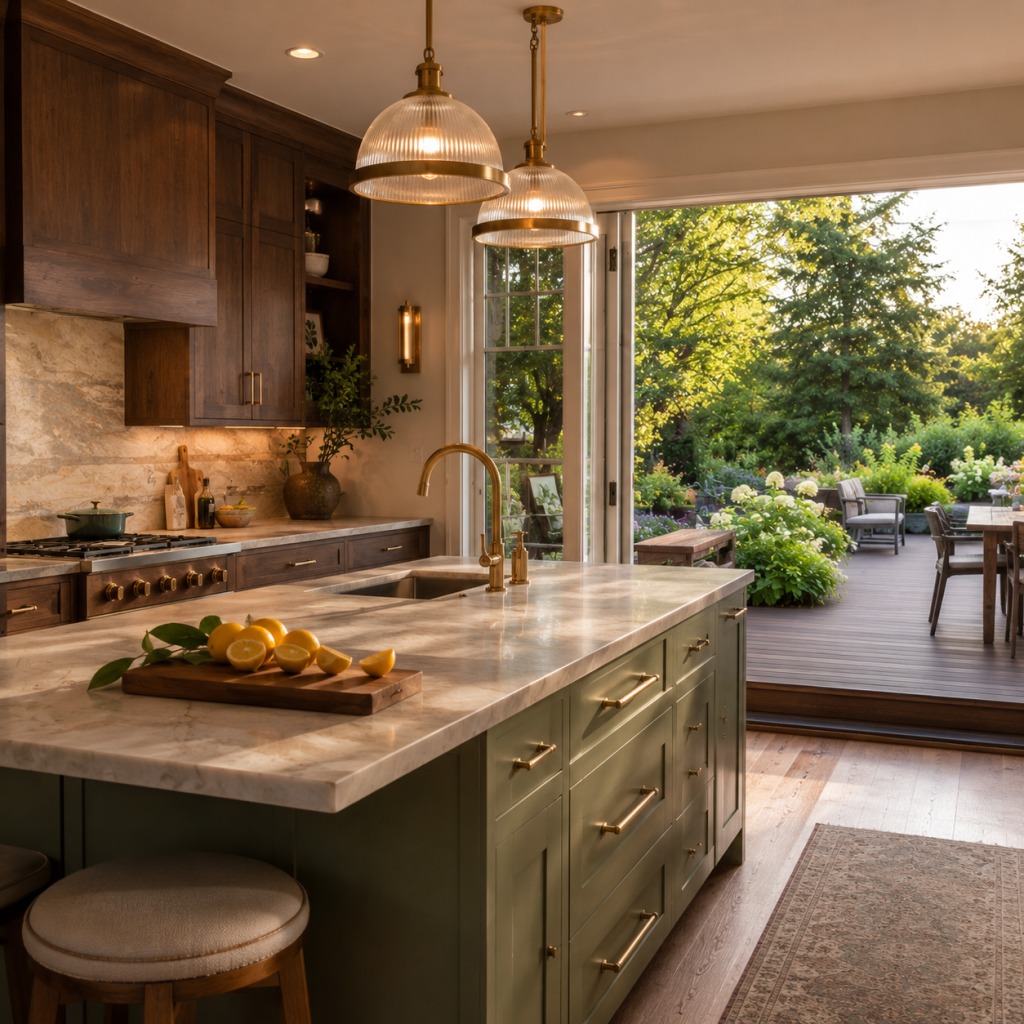
- Kitchens consistently lead, with roughly 70 to 85% return in the Chicago suburbs, plus they score a perfect 10 on the NARI Joy Score (the highest of any project).
- Bathrooms return roughly 60 to 75%, with primary baths outperforming secondary ones.
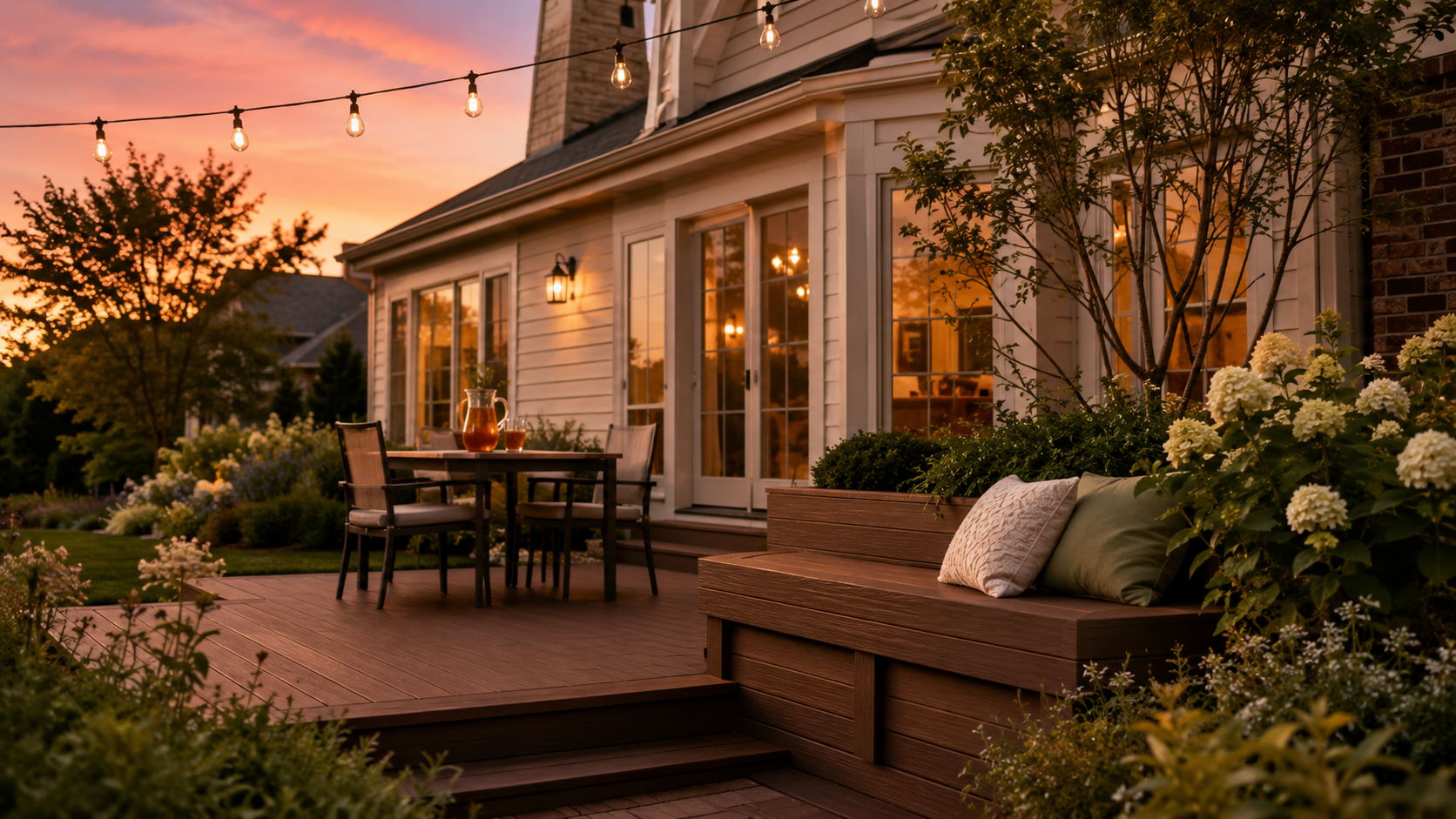
- Decks and outdoor living return roughly 60 to 75%, with composite holding value better than wood in Illinois freeze-thaw cycles.
- Energy and envelope upgrades (insulation, windows, HVAC) return less on paper but generate real monthly utility savings, and the 2026 tariff environment is pushing copper and electrical-heavy upgrades into “do it now” territory.
Prioritize this way:
- If you’re staying 5+ years: lead with how you’ll use the space. Kitchen layout, bathroom flow, outdoor living. ROI is a bonus, not the goal.
- If you’re selling in 1 to 2 years: lead with what buyers in your specific market reward. In DuPage County, that’s usually a refreshed primary kitchen and bath, plus curb appeal.
- If you’re not sure: projects that score well on both (kitchens, primary baths) are the safest bet.
What not to DIY: anything that touches gas, electrical, plumbing inside walls, structural framing, or your roof. The cost of fixing a botched DIY almost always exceeds the cost of hiring it out the first time, and in Illinois, unpermitted work can become a real problem at closing. Paint, simple landscaping, minor fixture swaps? Absolutely. The mechanical and structural systems? Hire it out.
How to Hire the Right Contractor
This is the section most homeowners under-invest in, and it’s the single biggest predictor of whether your project goes smoothly.

Red flags to walk away from:
- Door-to-door solicitation, especially after a storm
- No physical address, no business license, no insurance certificate
- Cash-only or large upfront deposits (more than 10 to 15% is unusual for legitimate firms)
- Vague written scopes, like “kitchen remodel: $45,000” with no line items
- Pressure to sign today for a “limited-time” discount
- Negative pattern in online reviews, especially around change orders and timeline overruns
Questions to ask before signing:
- Can I see three completed projects similar to mine, preferably in DuPage County?
- Who is my single point of contact, and how often will I hear from them?
- Who actually does the work, employees or subcontractors? How long have you worked together?
- What’s your written change-order process?
- What’s your warranty, and what does it specifically cover?
Communication style matters as much as price. A contractor who’s slow to return calls during the sales phase will be even slower during construction. Pay attention to how they listen, whether they push back honestly when an idea is bad, and whether they explain trade-offs clearly. You’re hiring a relationship for 8 to 16 weeks, not just a service.
What a real project timeline looks like in DuPage County:
- Kitchen: 8 to 12 weeks from demo to final walkthrough
- Primary bath: 4 to 8 weeks
- Deck or outdoor living: 3 to 6 weeks
- Whole-house or addition: 4 to 8 months
Anyone promising “two weeks for a full kitchen” is either lying or planning to disappear before punch-list.
Budgeting Smart for a 2026 Remodel
Illinois construction costs run roughly 15% above the national average, and DuPage County sits at or above the state average. Here’s a realistic 2026 budget framework for our market:
Typical DuPage County project ranges:
- Mid-range kitchen remodel: $55,000 to $95,000
- High-end kitchen: $100,000 to $200,000+
- Mid-range bathroom: $20,000 to $45,000
- Primary bathroom (full): $40,000 to $90,000
- Composite deck: roughly $35 to $57 per square foot installed
- Whole-home interior refresh: highly variable, scope-driven
The 10 to 15% contingency rule. Always hold 10% (15% for older homes) of your total budget in reserve for the genuinely unknown, like hidden water damage behind a vanity, an electrical panel that needs upgrading, or a subfloor that’s not what anyone expected. This isn’t pessimism. It’s how real projects work, and the homeowners who plan for it sleep better.
How to evaluate quotes. The lowest is almost never the best. If three bids come in at $72k, $75k, and $48k, the $48k bid is the one to scrutinize, not celebrate. Common reasons for a much-lower bid: inferior materials, missing scope, plans to subcontract to whoever’s cheapest, or change orders coming later. Compare line items, not totals. A trustworthy contractor will walk you through the differences without trashing the others.
One 2026-specific note on cost: material prices are structurally higher than they were in 2024. Steel, aluminum, and copper carry 50% tariffs, and lumber derivatives carry 25%. Total construction project costs are up about 3% from 2024 baselines, and there’s no realistic forecast for them to drop. Locking in pricing now, with a written contract, is the smart move.
Let’s Talk
Yellow Hat Remodeling has been transforming homes across Bartlett, Wayne, St. Charles, and DuPage County for years, and we were named Best General Contractor in Bartlett for 2026. Whether you’re planning a kitchen, a bathroom, a deck, or something bigger, we’d love to help you scope it right, price it honestly, and finish it before the season ends.
👉 [Book your FREE consultation today] and let’s get you on the calendar before summer slots are gone.